Frequent Errors With Paid Bonus Features
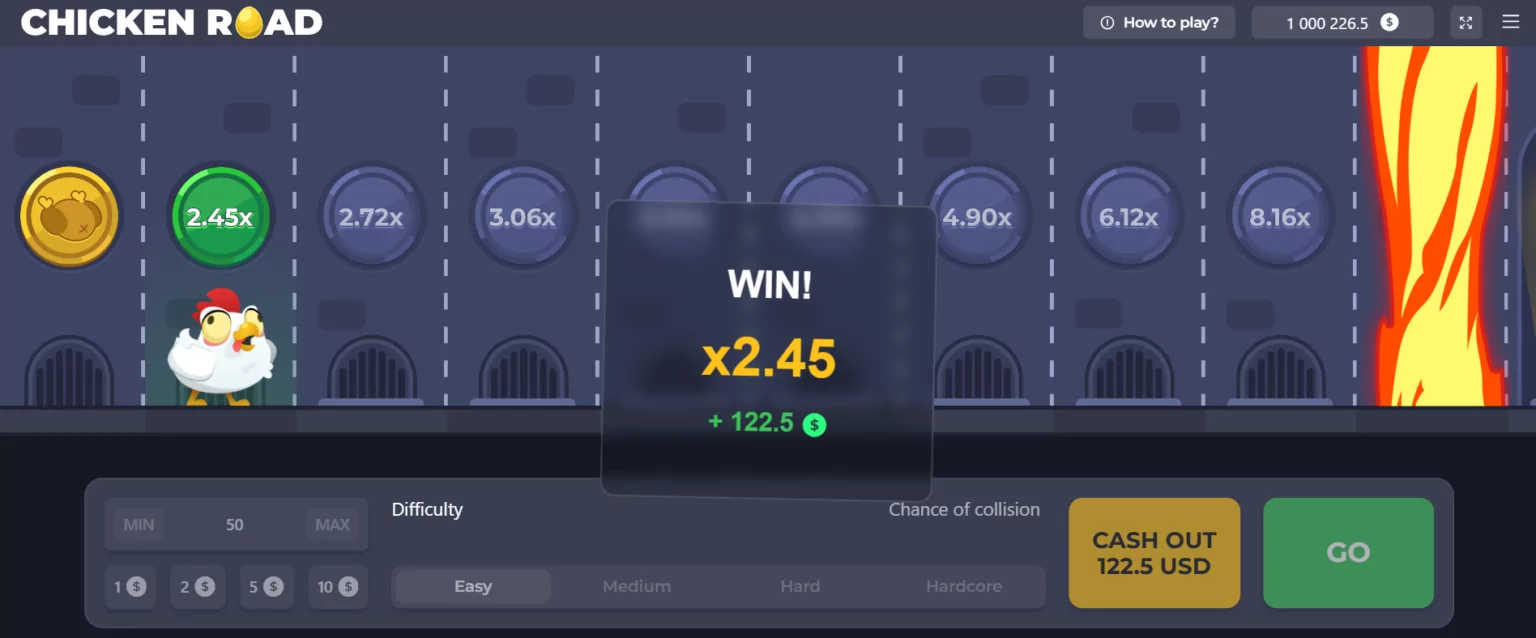
Bonus buy options let players bypass the base game and move straight into the feature round, but many people wager more than they planned because they miss how the mechanic actually operates chickenroaddemo.eu. Grasping the cost, the probability of getting a strong outcome, and the difference between the base RTP and the paid feature RTP is the only way to determine whether a bonus buy is worth the price. In games such as Chicken Road, where the bonus round can multiply stakes dramatically, the decision becomes even more crucial because the wrong choice can exhaust a bankroll faster than regular spins. This article examines the most common mistakes players do when they employ these shortcuts and reveals how to prevent them.
Neglecting the Contribution to Wagering Requirements
When bonus buys are covered by a casino bonus rather than cash, the amount spent may or may not count toward playthrough. Chicken Road itself does not impose wagering rules because it is a single game, yet the platform hosting it may. If the buy price is omitted from the contribution percentage, you can complete the round and still have the full wagering target ahead of you. Checking the operator’s bonus terms for the exact contribution rate stops the belief that the feature round itself will clear the requirement.
Another detail is whether partial wins from the round are added to the balance immediately or only after the round ends. Some systems put the winnings in a separate meter that is still liable to the wagering rule. Chicken Road displays the round total on the screen, but the platform may hold those credits until wagering finishes. Understanding the difference helps you decide whether the buy is worth using bonus funds or whether you should switch to cash balance instead.
The timing of the contribution can also count. Some operators apply the buy price toward the requirement only after the round ends, while others apply it as soon as the purchase is confirmed. If you plan to stop after one feature, the second approach lets you count the cost immediately. Chicken Road shows the purchase confirmation screen, and the operator’s terms usually clarify the exact moment the contribution is recorded, so reading that line before clicking stops a mismatch between expected and actual progress.
Avoiding the Volatility Check
Volatility shows how widely results are dispersed, and bonus rounds almost always carry higher volatility than the base game. In Chicken Road the free-spin mode can produce either a handful of small line wins or a single large multiplier that exceeds one hundred times the stake. If you purchase the round without understanding this spread, a long string of low outcomes can feel surprising even though the math is operating as designed. Examining the volatility rating, usually listed as low, medium, or high, offers a realistic picture of what to expect before you spend.
High-volatility features also affect how large your session bankroll needs to be. A medium-volatility round might demand only thirty to forty times the buy price to withstand variance, while a high-volatility round can demand twice that amount. Chicken Road shows its volatility label next to the paytable, so you can align the required bankroll to the chosen feature before you hit the buy button. Overlooking this step is one reason players deplete funds after only two or three purchases.
The practical impact becomes clearer when you follow results over time. A player who acquires ten high-volatility rounds may see nine returns below the cost and one return that exceeds the total spend. Chicken Road records each outcome in a history panel, and checking that panel after a dozen purchases indicates whether the variance is acting as expected. If the spread seems wider than your comfort level, changing to a lower-volatility option or returning to base spins is the safer choice.
Overlooking Bet Size Scaling
Stake Levels Modify the Absolute Cost
The bonus buy price is always a factor of your current stake, so raising the bet automatically grows the cost. A player who normally bets one credit per spin might see a buy price of seventy-five credits, yet the same feature costs seven hundred and fifty credits at a ten-credit stake. Many people neglect to adjust their mental budget when they raise the stake, leading to purchases that suddenly feel expensive. Chicken Road shows the exact credit cost beside the buy button, so checking the figure after every stake change prevents surprises.
Max Win Caps May Not Scale Linearly
Some games place an absolute maximum win on the bonus round rather than a multiple of the stake. In Chicken Road the ceiling is listed as five thousand times the stake in the rules, but only up to a platform-defined limit. At very high stakes the cap can be reached before the theoretical maximum multiplier appears, which reduces the effective RTP of the buy. Reading the maximum win line in the paytable before confirming the purchase tells you whether the cap will interfere with your chosen stake.
The scaling issue also arises when the platform applies a separate maximum win per feature rather than per spin. If the operator caps any single bonus round at ten thousand credits, a player betting fifty credits per spin may hit that ceiling even though the game rules allow five thousand times the stake. Chicken Road displays both the game limit and the operator limit in the rules panel, so contrasting the two numbers before buying avoids an unexpected shortfall.
Selecting the Wrong Feature Type
Many titles now feature several various bonus rounds, each with its own price and payout profile. Chicken Road, for example, allows you choose between a standard free-spin round and a multiplier-boost round that prices more but starts with a higher multiplier floor. Selecting the cheaper option when you actually want the bigger multipliers leads to disappointment, while selecting the expensive option when you only need extra spins squanders money. Reading the short description under each buy button prevents this mismatch.
The difference often resides in how many special symbols are added at the start of the round. One Chicken Road variant introduces two extra wilds, another introduces a random multiplier between five and twenty, and a third introduces nothing but extra spins. If your goal is steady small wins, the extra-spin version is cheaper and more appropriate. If you want the chance of a single large payout, the multiplier version is the logical choice. Checking the exact change each option makes maintains the purchase aligned with your intention.
Some players also neglect how the added symbols function with the base mechanics. In Chicken Road the wilds that emerge in one variant can pile on the same reel, creating longer winning lines than the paytable suggests. The multiplier version, by contrast, uses its boost only to the first win line, so later combinations receive no extra lift. Understanding these small differences prevents the feeling that the chosen feature underperformed when it simply operated according to its own rules.
Buying Too Early in a Session
Many users acquire the bonus feature on the very first spin of a new session, before they have seen how the base game behaves at their chosen stake. Chicken Road’s base game can produce small line wins that help stretch the bankroll, and skipping those spins removes the chance to build a cushion. Holding off for at least twenty to thirty base spins gives you a practical sense of the hit rate and lets you judge whether the buy price still feels reasonable compared with the results you are seeing.
Early acquisitions also ignore the likelihood that the game may trigger the feature naturally within a short time. The probability of landing the scatter symbols is fixed, so every spin carries a small chance of entering the round for free. In Chicken Road the scatter appears on reels one, three, and five, and three symbols award ten free spins. If you buy the round and then land the scatters on the next paid spin, you have effectively paid for something you could have received without cost. Allowing a reasonable number of base spins before buying reduces this overlap risk.
Another factor is the emotional state at the start of a session. After a long break, players sometimes feel eager and buy the feature to recreate the excitement they remember from previous visits. Chicken Road’s interface shows the current stake and the buy price side by side, and pausing for a few base spins lets that initial impulse settle. If the base game produces even modest returns, the buy price may suddenly look less attractive, which is often the more sensible decision.
Paying More Than the Predicted Value
Every bonus buy has a predetermined price that the game provider sets, yet many players never measure that price to the average return they can count on. The expected value is basically the chance-weighted average of every possible outcome multiplied by the stake. When the buy price sits above that figure, the purchase is detrimental in the long run. In Chicken Road the cost is presented on the interface before you confirm, so you can figure out whether the price is lower or greater than the listed RTP multiplied by the stake. If the figure is greater, the buy is pricey; if it is lower, the buy may offer better value than spinning normally.
Players often neglect that the displayed RTP for a bonus round is not the same as the overall game RTP. The feature RTP is determined only on the spins inside the round, so it can appear much higher than the base game. Chicken Road shows this split in the information panel, and checking it before buying avoids the mistake of assuming every feature pays the same. If the bonus RTP is 96.5 percent while the base game is 94 percent, the buy may be more to fair value than it first looks. Always review the two numbers separately rather than treating the game as one single percentage.
Another layer of the calculation includes the distribution of outcomes inside the feature itself. A bonus round might display an average return of 120 times the stake, but that figure can be biased by a few rare jackpots that rarely occur. In Chicken Road the paytable indicates how often the top multiplier appears, and comparing that frequency to the buy price shows whether the average is realistic. If the top outcome happens once every three hundred rounds, the price must be low enough to absorb the long gaps between big hits.
Managing the Buy as a Standalone Session
A bonus buy is only one part of a longer play session, yet many people treat the purchase as the entire session. After the round ends they may stop immediately or buy again without examining the outcome. Chicken Road logs the last ten results in a history panel, and reviewing that panel reveals whether the recent features have been exceptionally quiet or unusually generous. If the last three buys produced less than half the cost, the recent variance may still be running cold, suggesting a pause rather than another immediate purchase.
Keeping a simple running total of money spent on buys versus money returned assists you see whether the feature is performing close to its expected value over your personal sample. If the net result after ten buys is negative by more than twenty percent of total spend, the short-term variance is extreme or the price is higher than the mathematical return. Either way, stepping away and returning later with a fresh bankroll is more advisable than continuing to chase the same feature without adjustment.
Reviewing the session as a whole also includes observing how many base spins occurred between buys. A player who buys every ten spins is experiencing a different cost structure than someone who buys every fifty spins. Chicken Road’s history panel shows both the feature outcomes and the number of spins since the last purchase, so contrasting those intervals indicates whether the buy frequency itself is part of the problem. Modifying the gap between purchases can improve results without changing the stake or the chosen feature.